
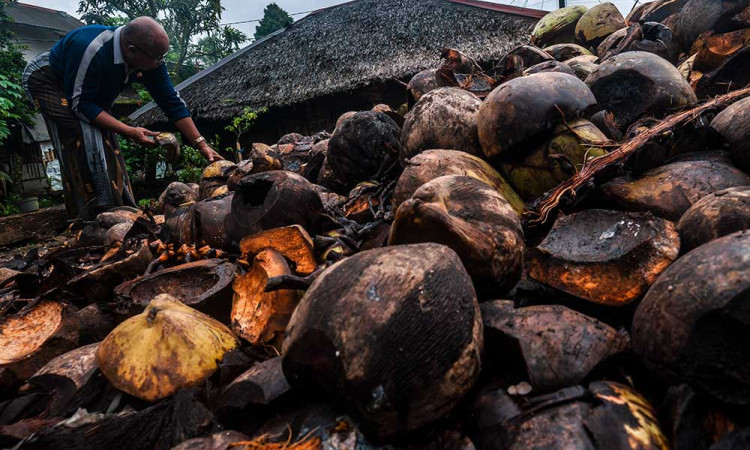

Coconut waste is increasingly recognized as a valuable resource for sustainable energy solutions. As global demand for clean power continues to rise, agricultural by-products like coconut shells, husks, and residue offer an effective alternative to fossil fuels.
In many tropical regions, coconut production generates large volumes of waste. When properly processed, these materials can be transformed into useful energy sources, helping reduce environmental pollution while improving resource efficiency.
Coconut Waste for Sustainable Energy as Biomass Fuel
One of the most common uses of coconut waste is biomass energy production. Coconut shells have a high calorific value, making them suitable for generating heat. They are often processed into charcoal and briquettes for both household and industrial use.
Products like coconut shell charcoal briquettes are widely used due to their long burning time, stable heat output, and low ash residue.
Biogas from Coconut Waste for Clean Energy
Coconut residue, which remains after extracting coconut milk or oil, can be converted into biogas through anaerobic digestion. This process produces methane gas that can be used for cooking or electricity generation.
This method is particularly useful in rural areas where access to modern energy infrastructure is limited.
Biofuel and Advanced Energy Conversion
Coconut-based materials can also be processed into biodiesel, providing a renewable alternative to conventional fuels. In addition, advanced technologies such as gasification and pyrolysis enable the conversion of coconut waste into syngas and bio-oil.
To understand more about this process, you can explore renewable energy from coconut waste and its applications.
Economic and Environmental Benefits
Utilizing coconut waste supports both environmental sustainability and economic growth. It reduces waste, lowers carbon emissions, and creates new business opportunities for local communities.
Conclusion
Coconut waste offers a practical and eco-friendly solution for sustainable energy production. By converting agricultural waste into valuable resources, it supports cleaner energy systems and long-term sustainability.
