
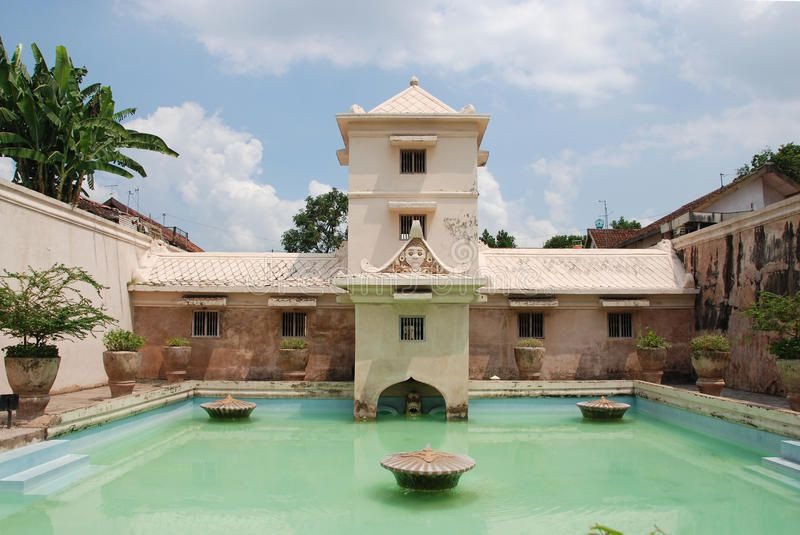

The Taman Sari royal garden is one of the most fascinating parts of Yogyakarta’s historical heritage. Once connected to the royal environment of the Yogyakarta Sultanate, Taman Sari combined gardens, water features, buildings, and private spaces within an extensive architectural complex.
Today, visitors can explore its surviving structures and discover how the former royal retreat was designed around water, architecture, and landscaped areas.
The Origins of Taman Sari
Taman Sari was developed during the reign of Sultan Hamengku Buwono I in the eighteenth century. The complex was created as a royal retreat and garden with various buildings and water features.
The original area was considerably larger than what remains today. It included an artificial lake, pools, gardens, underground passages, and several structures connected to royal activities.
This combination gave Taman Sari a character that was different from a conventional palace. It functioned as a carefully planned environment where architecture and landscape worked together.
Travelers who want to learn more about the entire complex can explore this Taman Sari Water Castle complete guide before visiting.
Water as Part of the Royal Garden
Water was one of the defining elements of the Taman Sari royal garden. The original complex included waterways and a large artificial lake known as Segaran.
The presence of water influenced the layout of several areas. Structures such as Pulo Kenanga were historically surrounded by water, while the Umbul Binangun complex featured royal bathing pools.
This design created a peaceful environment for the royal household. At the same time, it demonstrated how water could become an important architectural and landscape feature.
Although the original lake no longer exists, surviving structures provide clues about how the water-centered complex once looked.
Explore Umbul Binangun
Umbul Binangun is one of the most recognizable sections of Taman Sari. The complex contains several pools surrounded by walls, gates, and decorative architectural details.
The area was associated with royal bathing and leisure. Its enclosed design created a more private environment within the larger royal garden.
Visitors can explore the remaining pools and surrounding structures while observing the geometric arrangement of the architecture.
The combination of colorful walls, water, and historic gates also makes this area popular among photographers.
Discover Pulo Kenanga
Pulo Kenanga is another important part of the former royal garden. The structure was positioned within the artificial water landscape that once covered a significant portion of Taman Sari.
Today, visitors can see the surviving building without the surrounding lake. Its elevated position and historic architecture provide a glimpse into the original scale of the complex.
Pulo Kenanga also demonstrates how buildings were incorporated into the wider garden and water system.
Tips for Exploring Taman Sari
Wear comfortable shoes because exploring the former garden involves walking between several structures. Some passages may also have uneven or narrow surfaces.
Allow enough time to visit the bathing pools, Sumur Gumuling, and other surviving areas. Each section contributes to the story of the former royal complex.
If you are planning additional cultural activities around Yogyakarta and Central Java, Borobudur Tours can also be considered when arranging your itinerary.
Experience Yogyakarta’s Royal Garden Heritage
The Taman Sari royal garden offers a glimpse into a historic environment where water, gardens, architecture, and royal activities were closely connected. Its surviving pools, buildings, passages, and decorative structures help visitors imagine the scale of the original complex.
For travelers interested in history and cultural heritage, exploring Taman Sari provides an opportunity to discover a distinctive part of Yogyakarta’s royal past.
